 Wellness & Recovery
7 Best Thai Stretching Exercises for IT Professionals: Back Pain Relief Guide
April 29, 2026 | 7 min readIf you spend 8+ hours a day hunched over a keyboard, your back is silently paying the price. Thai stretching for back pain is one of the most effective ancient remedies you can do at home, with no gym or painkillers required.
Picture this: It's 6 PM. You've just wrapped a 9-hour sprint. Your posture has slowly collapsed into something resembling a question mark, and your lower back feels like it's hosting a small fire. Sound familiar?
If you're a software developer, data analyst, or IT professional, back pain is practically an occupational hazard. Hours of sitting compress your spine, tighten your hip flexors, and lock up your thoracic muscles, setting the stage for chronic discomfort that over-the-counter painkillers can't fix.Mayo Clinic
But here's what most IT professionals don't know: Traditional Thai stretching, rooted in Ayurvedic medicine and yoga, is one of the most effective, research-backed ways to reverse the damage caused by a sedentary work lifestyle.PubMed It works the body's energy lines (Sen), releasing deep muscle tension, restoring spinal alignment, and improving blood circulation all at once.
Table of Contents
Why IT Professionals Are Especially Vulnerable to Back Pain
When you sit for prolonged periods, your hip flexors shorten, your glutes switch off, and your lumbar spine loses its natural curve. Your upper back rounds forward (kyphosis), straining the muscles along your entire spine. According to the Mayo Clinic, prolonged sitting is one of the leading contributors to lumbar disc degeneration, even in young adults.
Most IT professionals also develop tension in the piriformis muscle (deep in the glute) which, when chronically tight, mimics sciatica, sometimes called "chair-induced pseudo-sciatica."
The 7 Best Thai Stretching for Back Pain Exercises IT Professionals Can Do at Home


Lie flat on your back. Draw your right knee to your chest, then guide it across your body to the left while extending your right arm out. Hold and breathe deeply. This decompresses the lumbar vertebrae and releases the piriformis, the muscle most IT professionals don't realise is destroying their back.

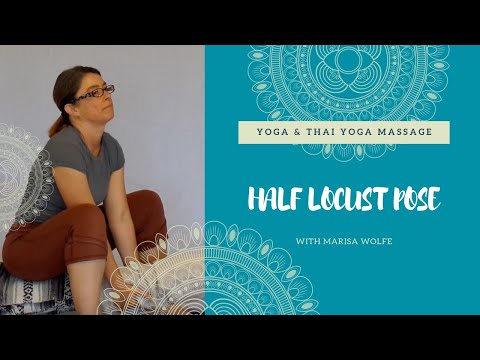
Lie face down. Place palms flat under your hips. Slowly raise one leg at a time while pressing the hip down. This counteracts the flexion compression your lumbar spine endures during desk work, rebuilding strength in the erector spinae muscles that become dangerously weak from inactivity.

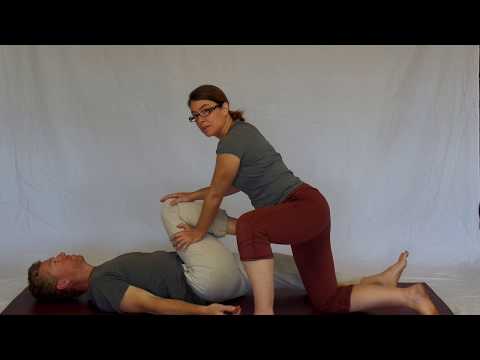
From kneeling, bring your right shin forward at an angle and extend the left leg back. Lower your torso gently over your front shin. Tight hip flexors from sitting tilt your pelvis forward, increasing lumbar disc compression. Thai Pigeon Pose is the most direct antidote to this imbalance.

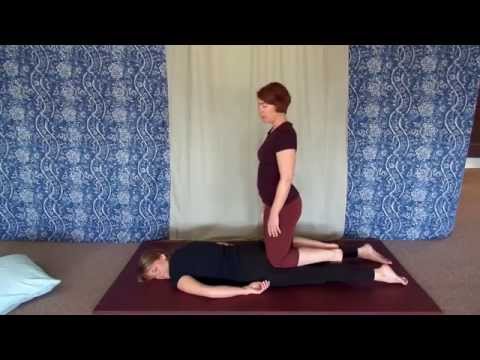
Lie face down, palms beside your chest. On an inhale, peel your chest off the floor and roll one shoulder back diagonally. This version targets the thoracic kyphosis that office workers develop, opening the chest, reversing forward head posture, and creating gentle traction along the upper spine.


Sit with both legs extended. Walk your hands forward along your shins on each exhale. Tight hamstrings pull on the sitting bones, rotating the pelvis backward and adding enormous strain to the lower back. This stretch resets posterior chain length and directly reduces lumbar tension.PubMed

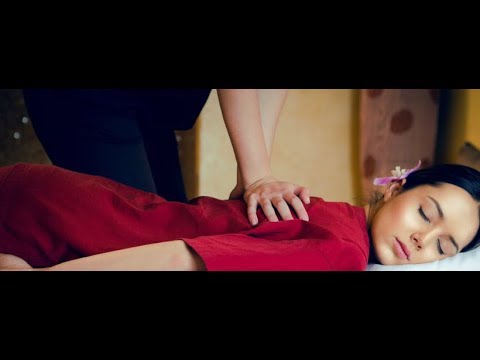
Lie on your back with knees bent. Interlace your fingers behind you and press your arms into the floor as you lift your chest upward. Focus on the upper thoracic spine, not the lower back. This directly reverses desk-induced thoracic kyphosis and relieves the neck and upper back pain that always accompanies lower back issues.

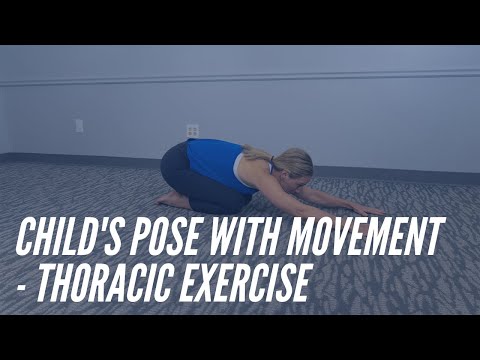
From Child's Pose, walk both hands to one side until you feel a deep stretch along your side body. The Quadratus Lumborum (QL) is the most commonly ignored muscle in back pain treatment, running from your lower rib to your hip, it is chronically shortened in desk workers. This stretch directly targets it.
How Often Should IT Professionals Do Thai Stretching?
For active back pain, aim for 3 to 4 sessions per week of 20 to 30 minutes each. Within 2 to 3 weeks of consistent practice, most people notice a dramatic reduction in lower back stiffness and morning pain.Mayo Clinic
Ready to Undo Months of Desk Damage?
At Lush Thai Spa, our therapists specialise in Traditional Thai stretching for professionals with desk-related back pain. One session achieves what weeks of solo stretching cannot.
Book Your Session on WhatsAppWritten for IT professionals who deserve to feel as sharp physically as they are professionally. For expert Thai stretching therapy, visit lushthaispa.in.